.png)


How Does Reiki Differ From Acupuncture and Massage Therapy?

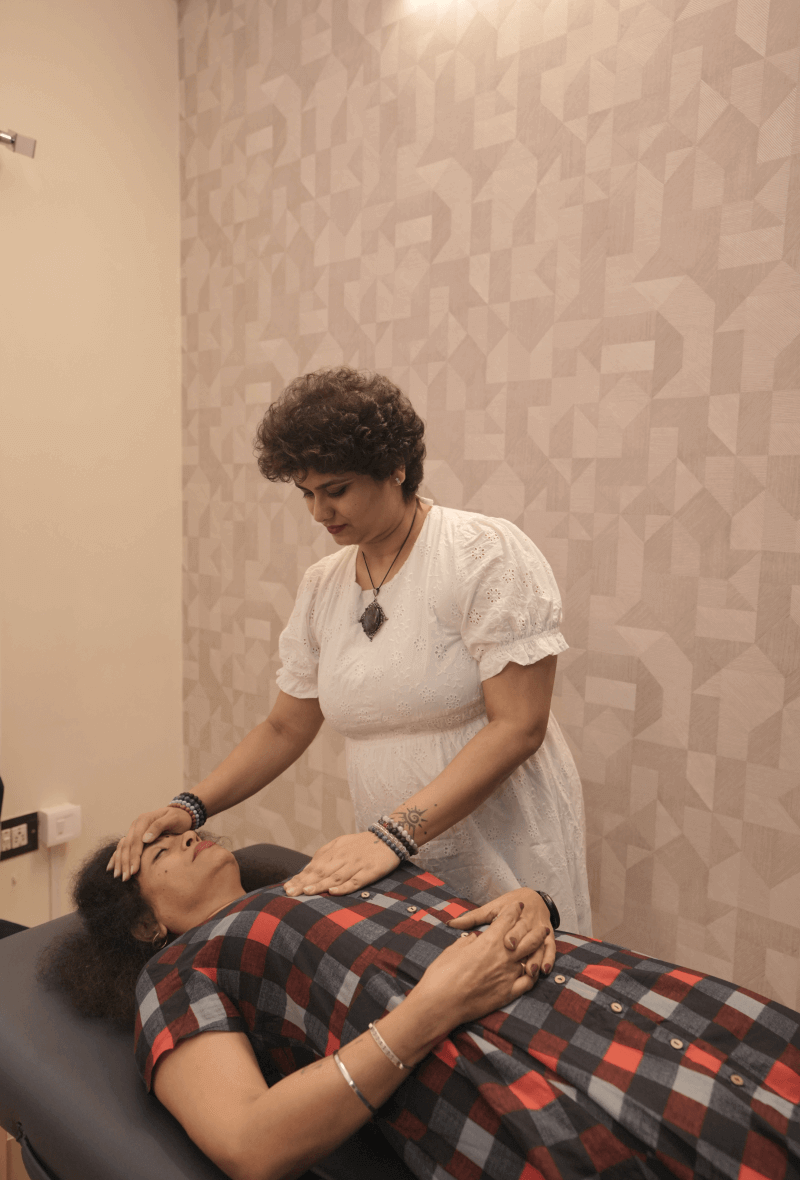

Reiki, acupuncture and massage therapy are three distinct approaches to wellness, each with a unique method and experience. Massage focuses on the physical manipulation of muscles and soft tissues. Acupuncture uses very fine needles at specific points on the body. Reiki is a gentle energy-based practice that usually involves light touch or hands held near the body.
Understanding these differences can help you choose the approach that best fits your needs.
What Is Reiki?
Reiki is a Japanese healing method based on working with energy to promote relaxation and overall wellness. In a Reiki session, the practitioner may place their hands lightly on or just above different areas of the body.
People often seek Reiki for a calm environment that allows them to slow down, relax, and focus on their well-being.

What can you expect during a Reiki session?
A quiet and relaxing environment
A brief discussion about your needs
A comfortable seated or lying position
Gentle touch or hands positioned above the body
Time to relax and notice how you feel
Some individuals report sensations like warmth, calmness or tingling, while others simply feel deeply relaxed. Experiences can vary widely from person to person.
How Is Reiki Different From Massage Therapy?
Massage therapy primarily addresses the body's muscles and soft tissues, while Reiki focuses on relaxation through energy work.
During a massage, a therapist physically works on areas such as the back, shoulders, neck or legs, using techniques like pressure and kneading.
A Reiki session usually does not involve any massage, muscle manipulation, or deep physical pressure.
If you want physical muscle work, massage may be a better choice. If you're looking for a quiet, non-massage experience centered on relaxation and energy-based wellness, you might prefer Reiki.
How Is Reiki Different From Acupuncture?
Acupuncture involves inserting very fine needles into specific points on the body, while Reiki does not use needles.
Acupuncture is part of Traditional Chinese Medicine and is often sought for various health issues. Reiki is a Japanese energy practice typically used as a complementary wellness option.
Reiki | Acupuncture |
No needles | Uses very fine needles |
Gentle touch or hands above the body | Needles placed at specific points |
Focuses on relaxation and energy-based wellness | Based on Traditional Chinese Medicine |
Generally a quiet, relaxing experience | May involve physical sensations from needle placement |
Which One Should You Choose?
There is no single option that works for everyone.
Consider Reiki if you want a gentle, relaxing experience without needles or massage.
Consider massage therapy if your main interest lies in physical muscle and soft-tissue work.
Consider acupuncture if you want an approach based on Traditional Chinese Medicine and are comfortable with needle treatments.
You can also discuss your expectations with a qualified practitioner before making a decision.
Reiki at Inara Healing, Bangalore
At Inara Healing, Reiki sessions create a calm space where you can slow down and focus on your well-being. Sessions are tailored to your needs and may include gentle touch or hands positioned above the body.
If you are new to Reiki, knowing what happens during a session can make the experience much easier to approach.
Interested in exploring Reiki in Bangalore? Connect with Inara Healing to learn more about the session and what you can expect.


Comments